


The Enchanting Saga of Fendi - Fashion and Fragrance in Structured Harmony
Founded by Adele Casagrande in 1918 and renamed Fendi in 1925 following her marriage to Edoardo Fendi, the house originated as a leather and fur atelier in Rome. Over time, the boutique gained recognition for its precision craftsmanship and distinctive use of materials. By the mid-20th century, Fendi had established a clear presence in Italian fashion through consistent exploration of structure and finish.
From Workshop to Design Studio
During the 1930s and 1940s, Fendi expanded its clientele and production. In the 1950s, Adele and Edoardo’s five daughters - Paola, Anna, Franca, Carla, and Alda - joined the business. Each brought specific skills that shaped the brand’s direction across retail, design, and communication. Their collective leadership marked a generational transition that strengthened the identity of the house.
In 1965, Karl Lagerfeld became artistic director of Fendi’s fur division. His early work included the introduction of new cutting and layering techniques, as well as the first ready-to-wear fur collection in 1969. Lagerfeld also created the "Double F" logo - a typographic symbol used to unify product lines across clothing, leather goods, and accessories.
Development of Fashion Lines
Fendi’s ready-to-wear clothing debut came in 1977. The following years saw the introduction of menswear, denim, eyewear, watches, and leather accessories. Across each category, Fendi maintained a focus on fabrication and silhouette. The brand’s fashion collections were developed alongside its atelier production, maintaining continuity in quality and creative oversight.
Fendi in Fragrance
The brand entered perfumery in 1985 with the release of Fendi for Women, a floral-chypre structure with aldehydes, rose, tuberose, leather, and sandalwood. Fendi Uomo followed in 1988, structured with citrus, spices, vetiver, and woods.
Throughout the 1990s, Fendi launched additional scents including Asja, Fantasia, and Theorema - each composed with specific material focus and bottle architecture. Theorema, for example, was built around orange peel, spices, and benzoin, layered over a base of labdanum and amber woods.
Fan di Fendi, introduced in 2010, combined pear, blackcurrant, leather, jasmine, and patchouli into a modern composition. Variants such as Eau Fraîche and Leather Essence followed between 2011 and 2014.
Fendi and LVMH
Fendi joined the LVMH group in 2001. The integration supported global expansion and facilitated coordination with other maisons across production, distribution, and retail architecture. Fragrance creation was aligned with LVMH’s beauty division, allowing for consistent sourcing, formulation, and quality control while preserving the brand’s internal direction.
Material Language and Creative Continuity
Fendi fragrances are constructed using a linear method. Top notes introduce tone - often citrus, aldehydes, or green accords. Heart notes anchor the core with floral, aromatic, or spicy materials. The base provides stability through woods, vanilla, resins, or leather. Each composition is developed to reflect the same material sensitivity present in the brand’s fashion collections.
Commonly used ingredients include orris, amber, leather, and tonka bean. These are selected for their capacity to support transitions between brightness, depth, and longevity.
Fragrance as Form
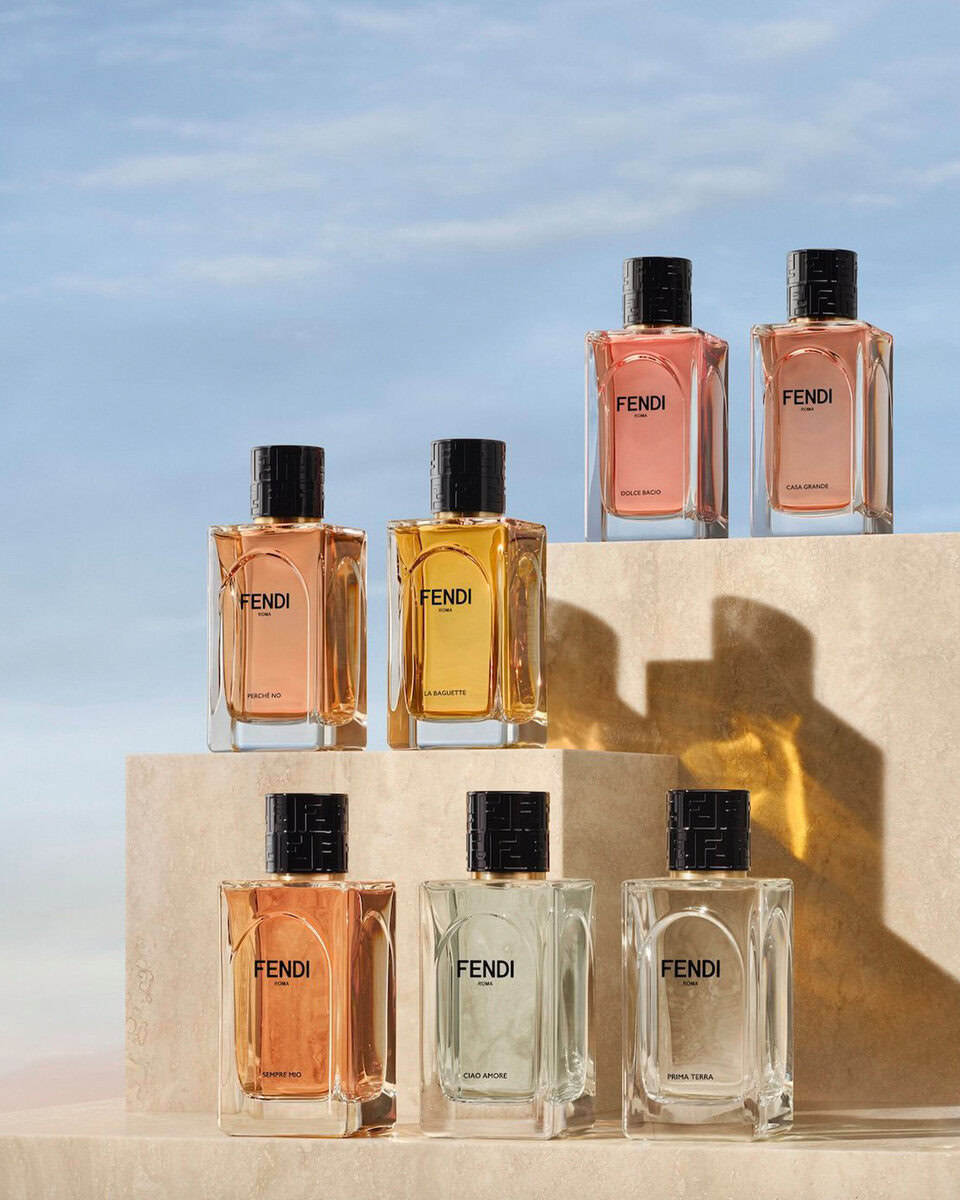
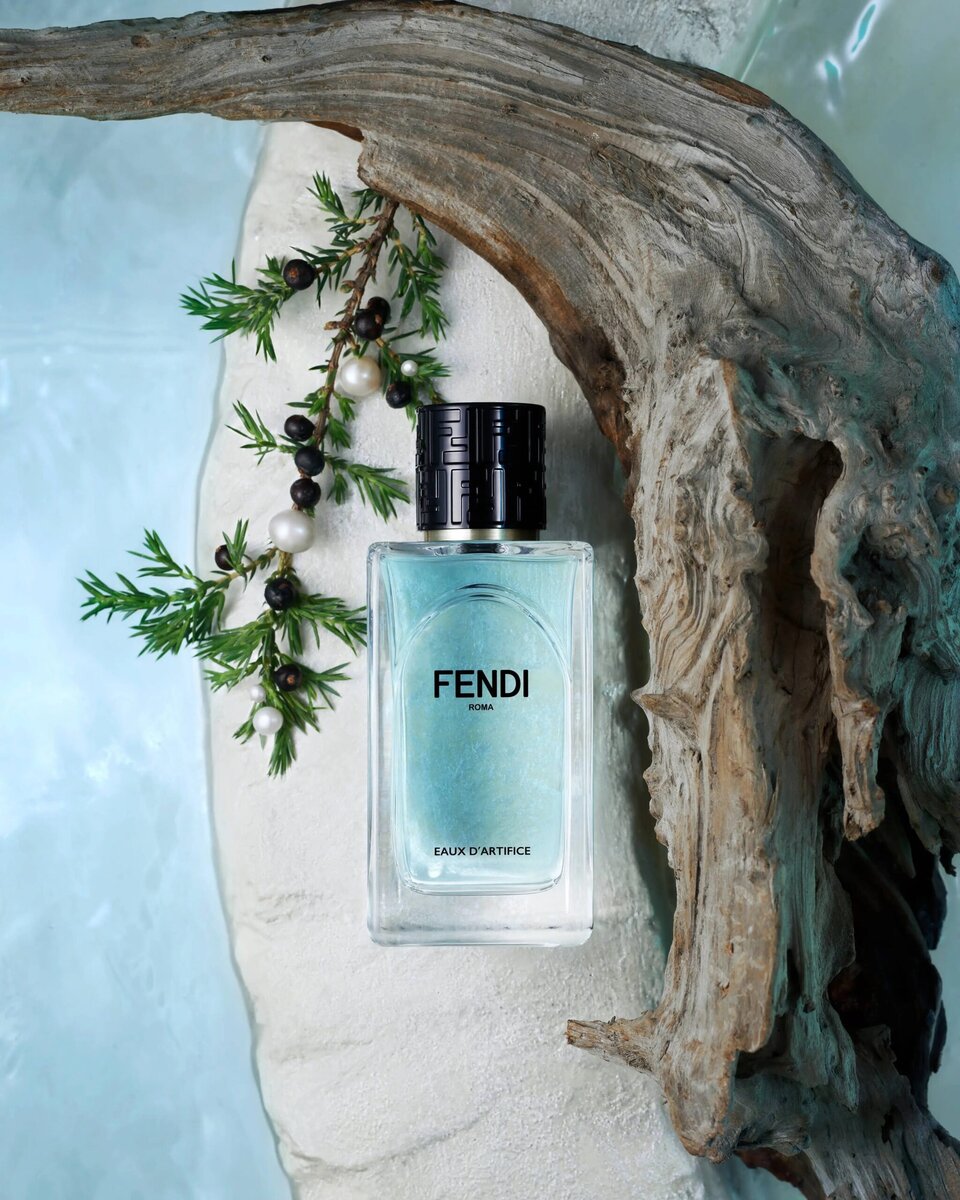
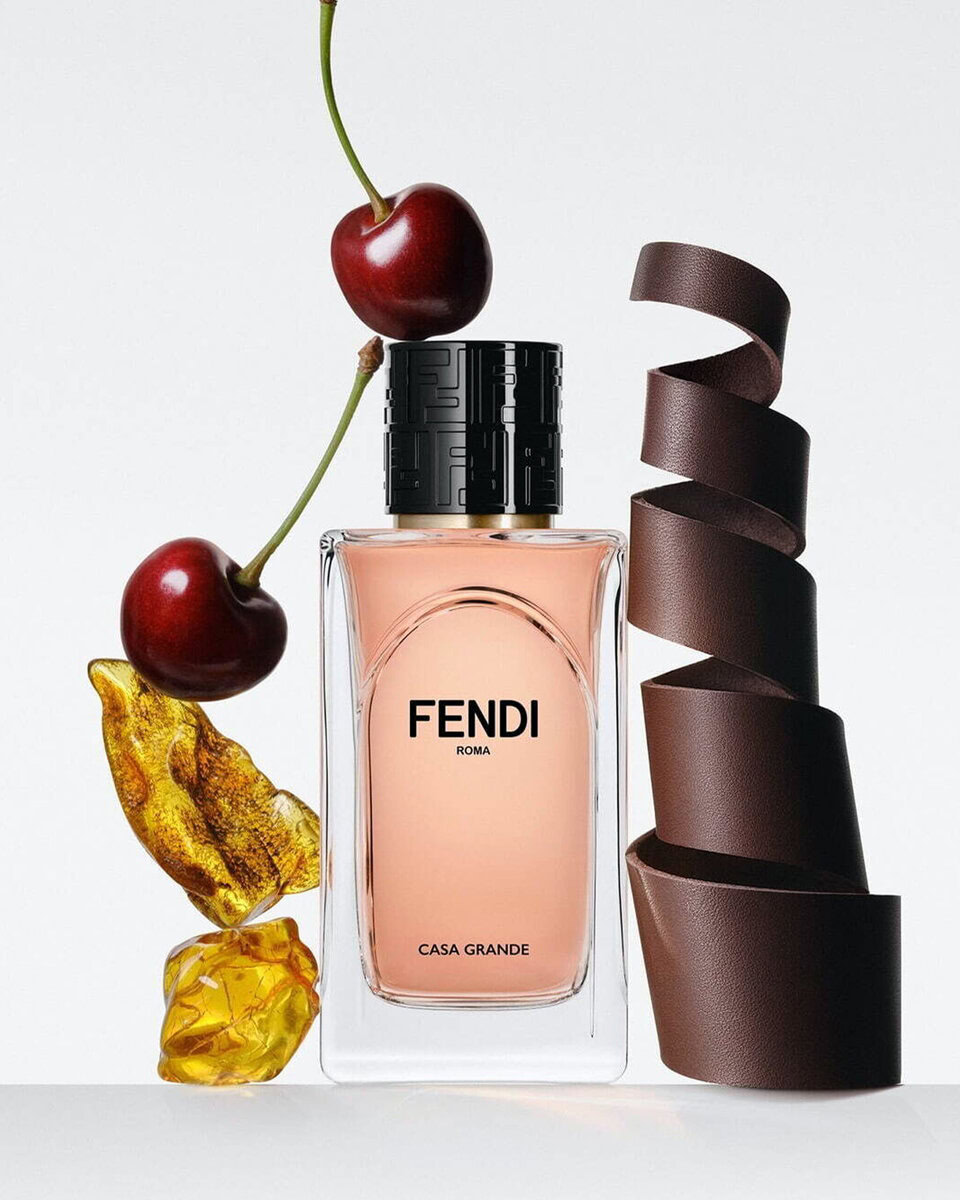
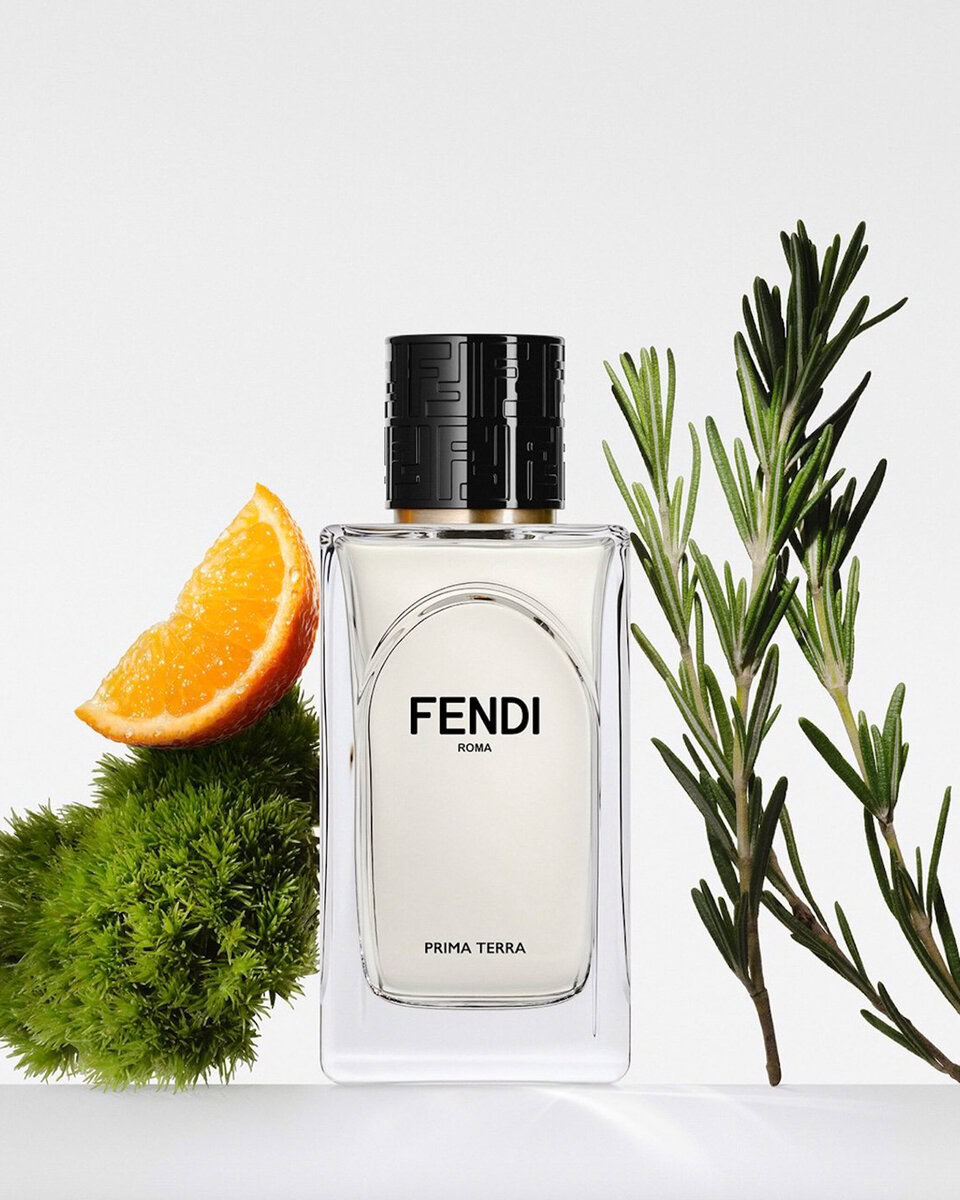
Each Fendi scent is composed with spatial balance and layered identity. The perfume bottle often echoes architectural cues found in the brand’s design language - clear glass, geometric caps, lacquered surfaces. Formulation is approached not as storytelling but as arrangement - of texture, material, and projection.
Fendi continues to produce perfumes with the same structural clarity that defines its atelier. The brand’s olfactory output reflects a long-standing dialogue between craft and direction - resolved in formulas that prioritize tone, space, and detail.


Leave a Comment About This Perfume