

Blue Sage: Aromatic Clarity in Fragrance Design
Botanical Origins
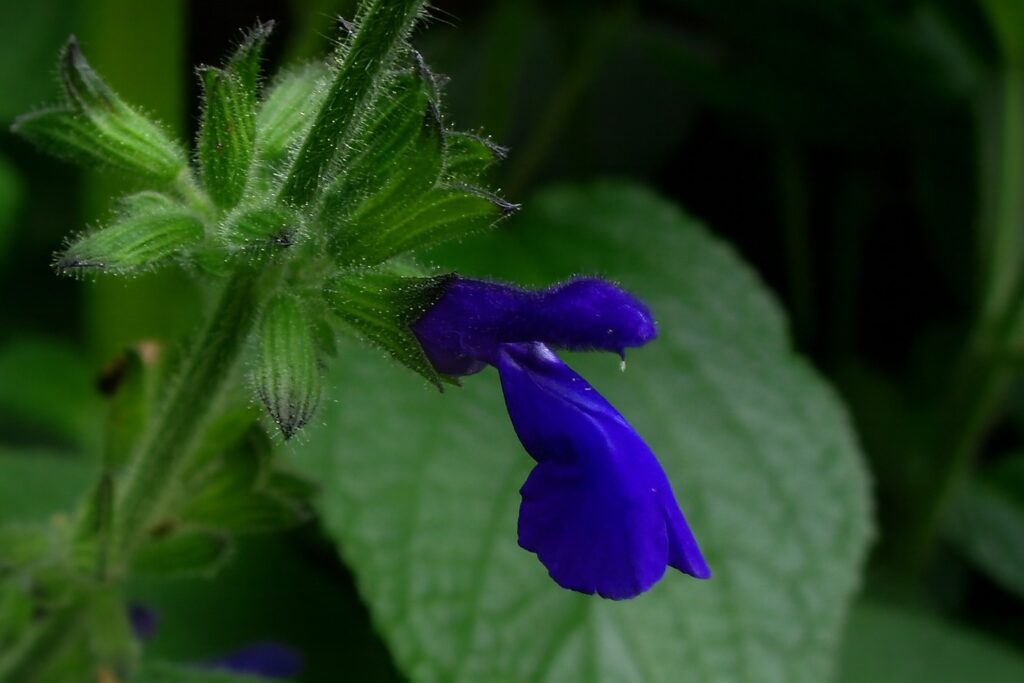
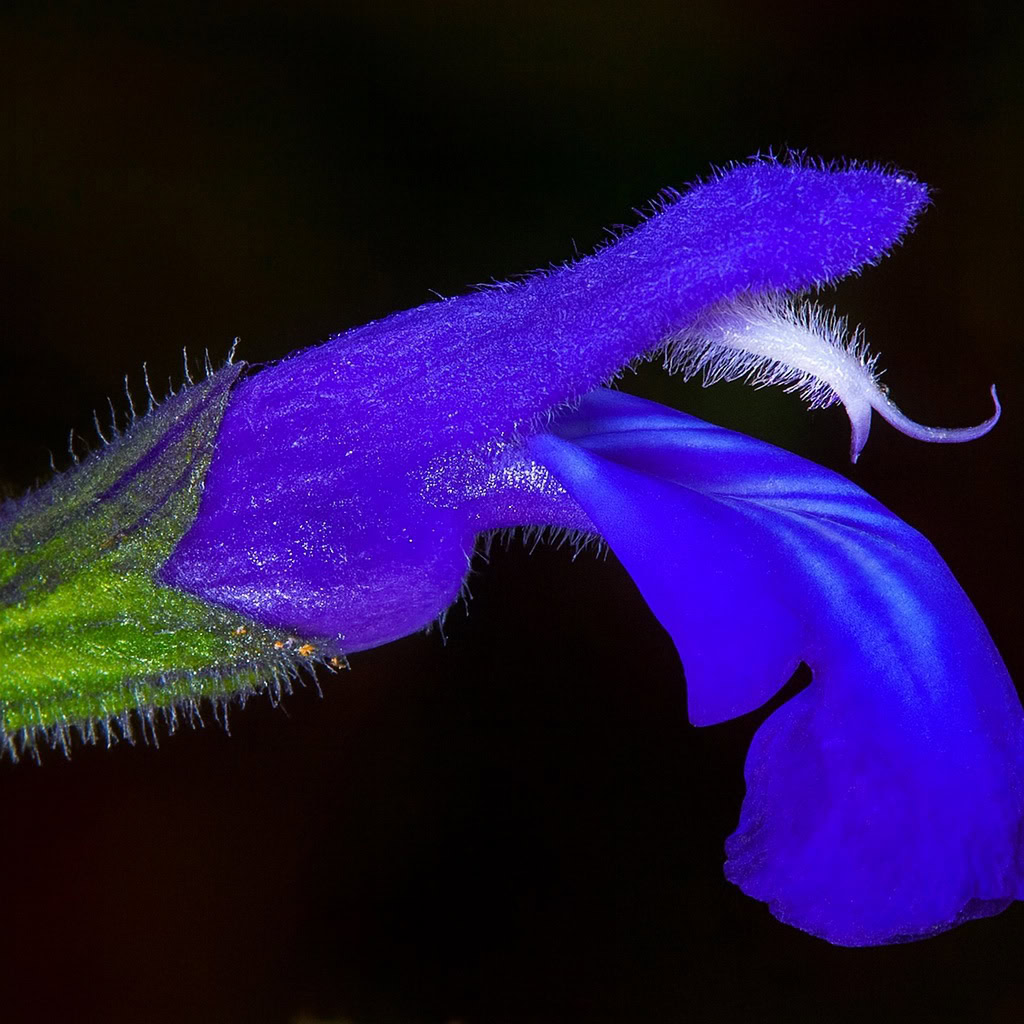
Blue sage (Salvia azurea) belongs to the vast Salvia genus within the Lamiaceae family, which includes more than nine hundred species of aromatic herbs and shrubs. Native to North America, this resilient plant is recognized for its slender stems, silvery-green foliage, and vivid sky-blue blossoms that bloom through late summer. Its name reflects the distinctive hue of its petals rather than its essential oil, which carries the familiar herbaceous brightness found in many sage varieties.
Though less common in perfumery than Mediterranean sage (Salvia officinalis), blue sage contributes a gentler, fresher aromatic profile. Its scent is airy and luminous, blending herbal sharpness with a floral-green smoothness that lends modern compositions an impression of natural vitality.
Historical and Cultural Context
Sage has long held ceremonial and medicinal significance across cultures. In Native American traditions, sage – especially white and blue varieties – has been used for purification and spiritual cleansing. In herbal medicine, sage was valued for its clarifying and uplifting effects. These associations with renewal and clarity continue to influence its use in modern perfumery, where blue sage embodies a sense of openness, freshness, and balance.
Extraction and Composition in Perfumery
Essential oil from blue sage is obtained through steam distillation of the leaves and flowering tops. The oil is pale yellow with a soft, herbal aroma that differs slightly from the sharper, camphoraceous character of common sage. Perfumers may use it directly or as part of an aromatic accord that includes other green and herbal materials.
In contemporary perfumery, blue sage is also interpreted through synthetic reconstruction, allowing greater control over its facets – herbal, green, floral, and gently spicy. These reconstructions maintain the botanical freshness of the plant while minimizing harshness.
Olfactory Profile
Blue sage offers a balanced aromatic profile that bridges freshness and warmth:
- Top notes – Bright, herbal, and slightly peppery.
- Heart notes – Softly green with delicate floral undertones.
- Base nuances – Gentle earthiness with a dry, woody trail.
Its overall impression is cleaner and more transparent than that of common sage, making it ideal for modern compositions that emphasize clarity and airiness.
Role in Fragrance Composition
Blue sage enhances both structure and atmosphere in fragrance design. It is used to:
- Lift aromatic compositions – Adds brightness and clarity to fougère and herbal blends.
- Support citrus openings – Extends freshness when paired with bergamot, grapefruit, or lemon.
- Enrich floral arrangements – Lends a green, natural edge to white florals such as jasmine or neroli.
- Accentuate woody and amber bases – Provides contrast and dimension to cedarwood, vetiver, or amber notes.
Its versatility allows perfumers to use it as either a central note or a subtle accent that introduces air and movement.
Aroma Chemistry
Blue sage essential oil is composed of monoterpenes and sesquiterpenes responsible for its aromatic brightness and herbal depth. Key components include:
- 1,8-Cineole (eucalyptol) – Provides camphoraceous freshness.
- Linalool – Adds floral softness and balance.
- Camphor – Contributes herbal sharpness.
- α- and β-Pinene – Bring crisp green accents.
- Thujone (in trace amounts) – Offers subtle dryness.
These molecules create a multifaceted profile that harmonizes easily with citrus, florals, and woods.

Iconic Perfumes Featuring Sage
Yves Saint Laurent Y Eau de Parfum (2018)
Features sage as a core aromatic element, balancing freshness and woody strength.
Dior Sauvage (2015)
Incorporates sage for brightness and aromatic lift within its spicy-woody structure.
Aesop Hwyl (2017)
Blends sage with cypress and vetiver to evoke forest air and calm introspection.
Jo Malone Wood Sage & Sea Salt (2014)
Showcases a marine-herbal accord where sage imparts mineral and earthy depth.
While not always specified as blue sage, these compositions reflect its aromatic character – fresh, green, and harmoniously balanced.
Sensory Impression
The scent of blue sage in perfumery evokes open landscapes, sunlit air, and quiet natural spaces. It suggests balance between lightness and structure, offering both clarity and comfort. Its herbal greenness carries a meditative calm that grounds modern compositions in nature’s simplicity.
Enduring Resonance
Blue sage remains a symbol of aromatic purity and renewal. In perfumery, it bridges tradition and modernity, bringing natural freshness to contemporary creations. Its luminous, herbal character continues to inspire compositions that capture the clean energy of air and the serenity of the natural world.

Kylie Minogue Introduces LOVERS Fleur & LOVERS Noir – A Fragrance Collection Rooted in Connection, Passion, and Sensory Depth

Versace Man Eau Fraîche Extrême – A New Aromatic Chapter in the Versace Man Story

Yves Saint Laurent Muse – Inspiring Ink: A Fragrance Reflecting YSL’s Iconic Style

Carolina Herrera Bad Boy Elixir: A Sensory Tribute to Strength and Sophistication

Giorgio Armani Stronger With You Parfum: A Refined Expression of Modern Masculinity


