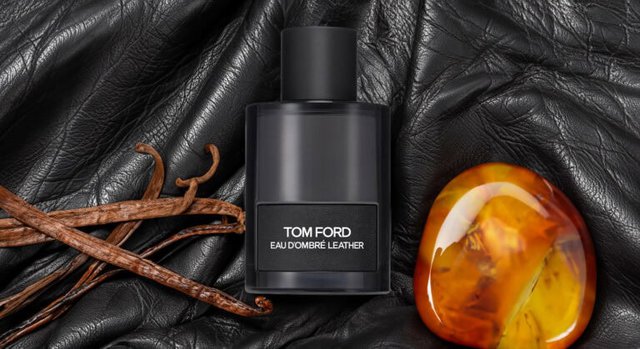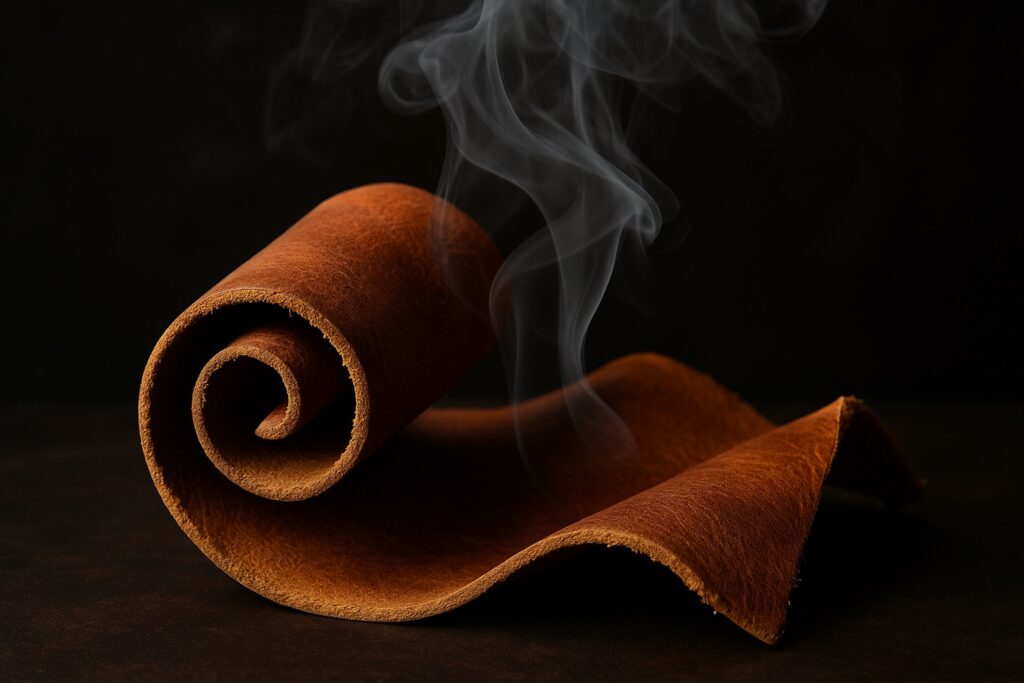
Leather & Suede: Refined Depth in Perfumery
Historical Background
Leather has been tied to scent since the Renaissance, when perfumed gloves became prized luxuries in Europe. In France, tanners treated hides with aromatics such as musk, ambergris, and resins to mask strong odors. This gave rise to the tradition of “Cuir de Russie,” where the aroma of tanned leather itself was embraced as desirable. Suede later emerged as an olfactory idea, crafted to suggest smoothness and subtle warmth. Both leather and suede remain markers of craftsmanship and sensuality in fragrance.Creation in Perfumery
Neither leather nor suede can be distilled directly. Their impressions are built through accords combining natural materials and synthetics. Leather effects are recreated with smoky, resinous, and animalic notes, while suede is constructed with lighter, powdery, and musky tones.- Birch tar – Smoky and resinous, a classic foundation of leather accords.
- Isobutyl quinoline – A powerful molecule with green-leathery intensity.
- Styrax and labdanum – Resinous balsamic notes that provide depth.
- Saffron – Adds warmth and softness, often used in suede effects.
- Musks and heliotropin – Create smooth, velvety textures.
Olfactory Profiles
Leather
- Smoky, tar-like, and dry.
- Accented with resinous or animalic undertones.
- Frequently paired with tobacco, woods, or amber.
Suede
- Powdery, smooth, and soft in texture.
- Often enriched with musky or creamy tones.
- Blends naturally with florals, vanilla, and woods.
Role in Fragrance Composition
Leather and suede provide structure and texture within perfumes. Their functions include:- Base note foundation – Long-lasting anchors in a fragrance structure.
- Signature accents – Adding distinct character to florals, chypres, and ambers.
- Luxury associations – Evoking fine craftsmanship and artisanal traditions.
- Sensual textures – Ranging from the raw impression of leather to the velvety softness of suede.
Aroma Chemistry
Leather and suede effects are constructed with key molecules:- Isobutyl quinoline – Sharp green-leathery intensity.
- Birch tar oils – Provide smoky, tarry depth.
- Suederal and velvione – Modern synthetics that recreate suede smoothness.
- Styrax resinoid – Sweet-balsamic with leathery resonance.
- Castoreum reconstitutions – Synthetic recreations of animalic facets.
Sensory Impression
Leather in fragrance evokes polished saddles, vintage bookbindings, and smoky interiors. Suede suggests the touch of fine gloves, smooth upholstery, and supple fabrics. Both notes create atmospheres of intimacy, craftsmanship, and tactile richness.Enduring Resonance
Leather and suede continue to hold a central place in perfumery. Whether used in bold smoky structures or delicate musky blends, they provide texture and atmosphere that enrich fragrance design. Their role reflects both historical tradition and modern creativity, ensuring their presence remains significant in contemporary olfactory art.


Leather Perfumes

Balmain introduces Cuir Élysées, a creation that joins the Les Éternels de Balmain collection - a...