The Allure of Turkish Rose in Perfumery: From Petal to Perfume

Turkish rose, one of perfumery’s most celebrated floral ingredients, reveals a deep, sweet, and subtly spicy aroma that has fascinated perfumers for centuries. Valued for its rich and multilayered scent, it embodies both opulence and natural elegance. This article examines the methods used to extract its essence, the ways in which it harmonizes with other notes, and its role in several distinguished fragrance compositions.
Extracting the Essence of Turkish Rose

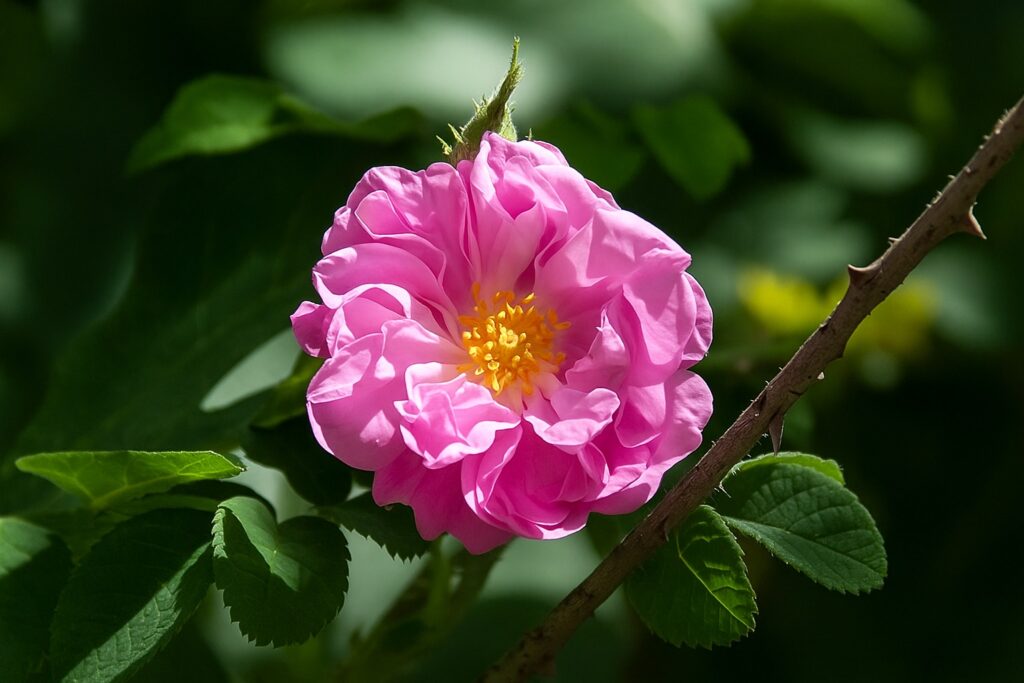
The Damask rose (Rosa damascena), cultivated primarily in the Isparta region of Turkey, is the heart of Turkish rose production. The area’s climate and soil conditions foster roses of remarkable aromatic complexity. Harvested at dawn, when their scent is most concentrated, the petals are processed through several methods, each revealing a distinct facet of the flower.
- Steam Distillation – The traditional technique of steam distillation captures the pure essential oil, known as rose otto. As steam passes through freshly picked petals, it releases volatile compounds that are condensed into a fragrant oil with warm, floral intensity.
- Solvent Extraction – This process yields rose absolute, a dense aromatic concentrate that preserves the flower’s full character, including its honeyed and spicy undertones. The result is a material often used in fine perfumery compositions.
- CO₂ Extraction – A modern method using supercritical carbon dioxide, CO₂ extraction isolates the aromatic molecules under controlled conditions, maintaining the natural freshness and complexity of the rose aroma.
The Art of Blending Turkish Rose in Perfumery

Turkish rose is among the most versatile materials in perfumery, equally at home in floral, oriental, gourmand, and woody compositions. Its aromatic structure allows it to bridge delicate top notes and enduring base accords, bringing balance and depth.
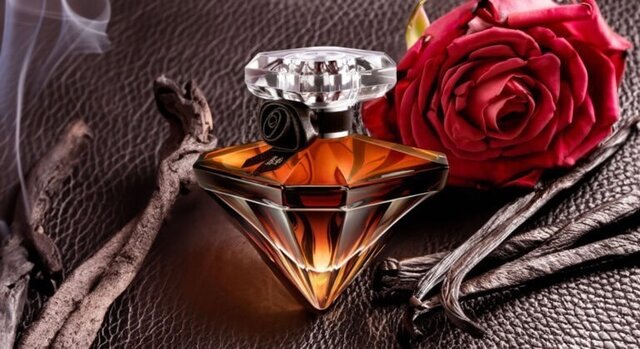
- Floral Compositions – In floral blends, Turkish rose is often paired with jasmine, iris, or peony, enhancing their texture and fullness. The flower’s resonance can be felt in creations such as Lancôme Trésor, where it intertwines with apricot blossom and iris to form a soft and radiant floral accord.
- Oriental and Spiced Accords – Turkish rose complements saffron, cardamom, and incense, lending a velvety nuance to the warmth of oriental blends. In Byredo Rose of No Man’s Land, it unfolds alongside pink pepper and raspberry blossom, creating a composition that balances delicacy and depth.
- Gourmand Nuances – In gourmand perfumes, the natural sweetness of Turkish rose harmonizes with vanilla, honey, or praline, adding floral refinement to edible accords. Maison Francis Kurkdjian A La Rose brings together Turkish rose, lychee, and honey, revealing a luminous floral tone with subtle gourmand warmth.
- Woody and Resinous Blends – The rose’s earthy and slightly spicy undertones allow it to merge gracefully with oud, patchouli, or sandalwood. Tom Ford Noir de Noir illustrates this harmony, where Turkish rose mingles with truffle, vanilla, and dark woods to form a smooth, enveloping composition.
Iconic Perfumes Featuring Turkish Rose
- Lancôme Trésor – a floral composition combining Turkish rose, apricot blossom, and iris for a tender and graceful signature.
- Byredo Rose of No Man’s Land – Turkish rose at the heart, with pink pepper, raspberry blossom, and amber, creating a serene and modern floral aura.
- Maison Francis Kurkdjian A La Rose – a luminous interplay of Turkish rose, lychee, honey, and musk expressing refined femininity.
- Tom Ford Noir de Noir – Turkish rose blended with truffle, vanilla, and oud, resulting in a deeply textured, elegant scent.
The Enduring Appeal of Turkish Rose
From its cultivation in the Anatolian highlands to its role in fine fragrance, Turkish rose continues to shape perfumery with its layered and resonant character. Its extraction demands precision, and its blending requires intuition, yet the result remains timeless. Whether in floral, gourmand, or woody creations, the essence of Turkish rose endures as a symbol of beauty, craftsmanship, and sensory depth within the art of perfumery.