Fern in Perfumery - The Green Accord Behind the Fougère Family
Fern occupies an unusual place in the language of perfumery. The word suggests green fronds, shaded woodland, wet soil, moss, and cool vegetation. In a fragrance formula, however, the fern perfume note usually represents an imagined botanical environment created through an accord.
This idea became closely associated with the French term fougère, meaning fern. The fougère accord eventually developed into an established olfactory family built around aromatic herbs, coumarin, mossy materials, woods, and related green notes.
Understanding fern in perfumery therefore requires two perspectives: the botany of the plant itself and the perfumer's interpretation of the habitat surrounding it.
Botanical Origins of Fern
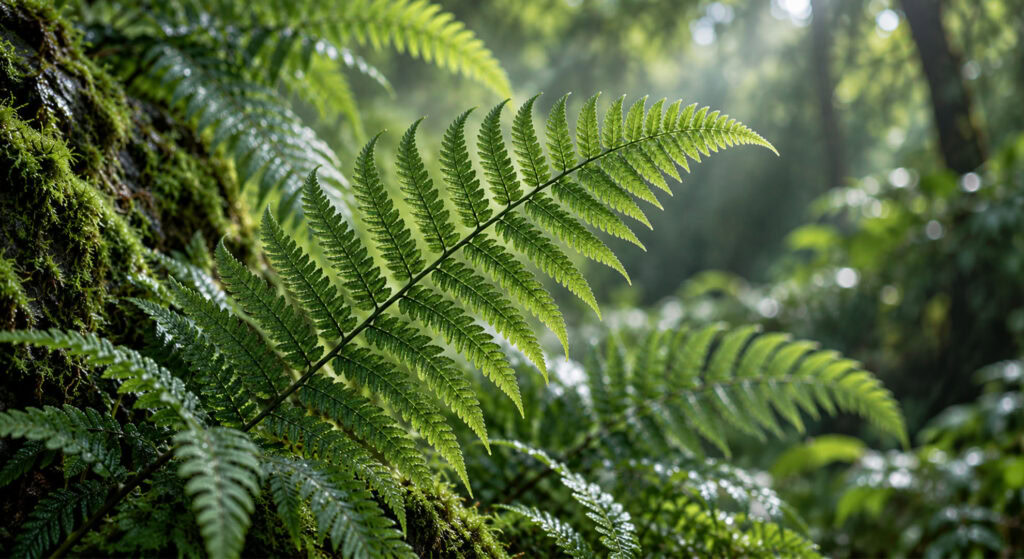
Ferns are vascular plants belonging to ancient groups of land plants that reproduce through spores. They produce neither flowers nor seeds. Thousands of fern species grow across the world, from temperate woodland to tropical forests, rocky landscapes, wetlands, and alpine environments.
Their divided leaves, known as fronds, often grow in shaded places where moisture remains in the soil and surrounding vegetation. This ecological association has played an important role in the olfactory image attached to fern.
Many fern species have a faint odor or little perceptible aroma from their leaves. Certain species possess aromatic rhizomes or other scented plant tissues, yet fern has never developed into a conventional fragrance material on the scale of lavender, patchouli, vetiver, rose, or citrus oils.
Descriptions of extraction from the rhizomes of some fern species exist, including material historically associated with male fern. Such extracts have had limited relevance to fragrance creation. The fern note encountered in commercial perfumery is generally constructed through other aromatic materials.
What Does Fern Smell Like in Perfumery?
The scent associated with fern is usually green, herbal, mossy, earthy, woody, and slightly humid.
A perfumer may use the idea of fern to suggest vegetation growing close to the forest floor. The effect can recall crushed leaves, damp soil, moss-covered wood, aromatic plants, and the cool air found beneath dense foliage.
There is no fixed formula for a fern note. Its character depends on the materials selected for the composition.
Lavender can supply aromatic freshness and a dry herbal facet. Oakmoss materials contribute mossy, woody, earthy qualities. Coumarin introduces hay-like, almond-toned, softly sweet nuances. Geranium can add leafy and aromatic facets. Bergamot supplies citrus freshness, while woods, herbs, patchouli, vetiver, resins, and modern aroma molecules may extend the forest character.
The finished accord represents an olfactory interpretation of the environment associated with ferns.

Fern and the Birth of the Fougère Accord
The history of fern in perfumery is closely connected with Fougère Royale, created by perfumer Paul Parquet for Houbigant in 1882.
The fragrance became an important reference for the fougère family. Its construction placed coumarin within an aromatic framework containing materials associated with lavender, moss, herbs, citrus, and woods.
Coumarin had become available to perfumers during the development of synthetic aromatic chemistry in the nineteenth century. Its characteristic scent combines dry hay, tonka-like sweetness, almond nuances, and warm herbaceous facets.
Within a fougère structure, coumarin works particularly well with lavender and mossy materials. This relationship became one of the recognizable foundations of fougère perfumery.
The name Fougère Royale linked the composition with the image of fern-covered woodland. The concept did not attempt to reproduce the odor of one botanical specimen. It translated an imagined landscape into fragrance.
The Traditional Fougère Structure
A traditional fougère accord is frequently described through three central elements:
Lavender provides an aromatic herbal character with floral, camphoraceous, and slightly woody facets.
Coumarin supplies hay-like warmth, soft sweetness, and the familiar tonka-associated aroma found throughout the fougère tradition.
Oakmoss contributes mossy, earthy, woody, and forest-like qualities.
Additional materials can include bergamot, geranium, clary sage, rosemary, citrus oils, woods, vetiver, patchouli, musk, amber materials, and other aromatic ingredients.
This structure is flexible. Perfumers can emphasize herbs, woods, spices, citrus, floral materials, marine effects, or contemporary woody molecules while retaining a recognizable fougère framework.
Fern and Fougère Are Related Terms, Not Exact Synonyms
The terms fern note and fougère are closely connected, although they describe different levels of fragrance construction.
Fern can appear as an individual fantasy note within a perfume description. It usually communicates green, damp, leafy, earthy, or woodland characteristics.
Fougère refers to an olfactory structure or fragrance family. Its historical vocabulary centers on aromatic materials, coumarin, lavender, and mossy elements.
A perfume can therefore contain a fern accord without following a traditional fougère structure. A fougère fragrance can also omit an explicitly listed fern note.
This distinction is useful when reading fragrance pyramids and official perfume descriptions.
The Role of Coumarin
Coumarin is central to the history of the fougère accord.
The molecule occurs naturally in several plants and is strongly associated with tonka bean. Its odor has facets reminiscent of dried hay, almond, warm grass, vanilla-like sweetness, and tobacco.
Synthetic production gave nineteenth-century perfumers access to coumarin as a defined aromatic material. Its use in Fougère Royale became part of an important period in which synthetic molecules entered increasingly complex perfume formulas.
In fern-inspired compositions, coumarin can provide the dry grassy effect that connects aromatic herbs with mossy and woody materials.
Oakmoss and the Forest Effect
Oakmoss has historically supplied an important part of the woodland character associated with fougère fragrances.
Its perfume profile includes earthy, mossy, woody, mineral, and slightly humid facets. These qualities contribute to the impression of shaded ground, bark, moss, and vegetation.
Modern formulas may use regulated oakmoss materials, fractions, substitutes, and complementary aroma molecules to create the required mossy effect. The exact construction depends on formulation requirements and the perfumer's intended scent profile.
Fern accords therefore remain possible within contemporary perfumery even when their material composition differs from historical formulas.
Lavender and Aromatic Herbs
Lavender forms a natural connection between herbal freshness and the dry warmth of coumarin.
Its essential oil contains floral, herbal, camphoraceous, woody, and fresh facets. Within a fougère accord, lavender can establish the aromatic direction before the composition moves toward moss, woods, coumarin, and related materials.
Clary sage, rosemary, basil, artemisia, mint, and other aromatic plants can develop this herbal character. Geranium is also frequently associated with fougère structures because its green, rosy, minty, and aromatic qualities integrate naturally with lavender and mossy materials.

Fern in Contemporary Perfumery
Contemporary fern accords cover a broad range of olfactory styles.
Some compositions retain a clearly recognizable lavender-coumarin-moss framework. Others use aromatic herbs, mineral woods, ambers, musks, aquatic notes, green molecules, or modern woody materials to create the impression of vegetation and shaded forest air.
Fern can appear in fragrances classified as Aromatic Fougère, Woody Aromatic, Green, Chypre, or other related families. Its role may range from a central accord to a small atmospheric detail within a larger formula.
The term continues to communicate a specific set of sensory associations: foliage, moisture, aromatic greenery, forest soil, and shaded woods.
Fern as a Fantasy Note
Fern belongs to an important category of perfumery notes that are created through reconstruction and interpretation.
A fragrance pyramid may list fern even when the formula contains no material extracted directly from fern plants. The listed note describes the smell perceived or intended by the perfumer.
This principle also applies to numerous accords representing environments, foods, textures, and materials that cannot provide a practical perfume extract.
For fern, the perfumer can work with herbs, mossy substances, woods, coumarin, green molecules, and earthy materials to create a recognizable woodland impression.
The Olfactory Profile of Fern
Fern in perfume is commonly associated with:
- Green
- Aromatic
- Herbal
- Mossy
- Earthy
- Woody
- Damp
- Hay-like
- Fresh
- Forest-like
These characteristics vary according to the surrounding formula.
A fern accord containing lavender and bergamot can feel aromatic and fresh. Moss, vetiver, and patchouli can direct the note toward forest soil and roots. Coumarin and tonka materials introduce dry hay and soft sweetness. Modern green and woody molecules can create an abstract interpretation with very little reference to traditional botanical materials.
Fern in the Language of Perfumery
Fern illustrates how perfumery creates scent through association.
The plant provides the visual and environmental reference. The formula supplies the smell.
When a perfume description lists fern, the term usually asks the wearer to imagine cool greenery, aromatic leaves, moist earth, moss, and shaded woodland. When the description uses fougère, it usually refers to a broader fragrance structure with historical roots in nineteenth-century perfumery.
This distinction explains why fern remains relevant in fragrance terminology even though natural fern extract occupies only a limited place in modern perfume formulas.
Key Characteristics
Ingredient type: Fantasy note / constructed accord
Botanical reference: Ferns, including numerous species of vascular spore-producing plants
Natural perfume extraction: Limited and uncommon
Typical scent profile: Green, aromatic, mossy, earthy, woody, herbal, damp
Associated fragrance family: Fougère
Traditional fougère materials: Lavender, coumarin, oakmoss
Common supporting materials: Bergamot, geranium, clary sage, aromatic herbs, vetiver, patchouli, woods
Historical reference: Fougère Royale by Houbigant, created by Paul Parquet in 1882